
For the vast majority of households, a vehicle represents the second largest financial investment next to a home. Yet, finding a reliable, honest mechanic to maintain that investment can feel like an overwhelming and deeply stressful task. The modern automotive repair industry requires an unprecedented level of technical sophistication, making it incredibly difficult for the average driver to verify if a diagnosis is accurate or if a quoted price is genuinely fair. A vehicle is an intricate ecosystem of mechanical and electronic components, and its long-term care should never be left to guesswork, luck, or high-pressure sales pitches.
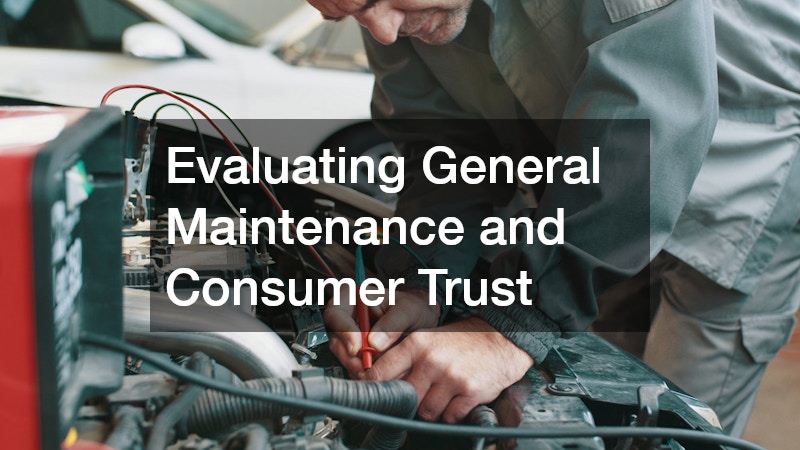
Evaluating General Maintenance and Consumer Trust
Vetting Facilities Through Certifications and Digital Portals
The first step in locating a premier repair shop is shifting your mindset away from find-and-fix emergency visits. When searching for a facility equipped for standard car repair, your primary focus should be on industry credentials and transparent communication protocols. Look for shops that prominently display Automotive Service Excellence (ASE) certifications, which guarantee that the technicians working on your vehicle have met rigorous national testing standards. A shop that actively invests in its staff’s continuous education is highly likely to treat your vehicle with a matching level of professional care and mechanical precision.
Furthermore, the integration of advanced digital diagnostic tools has revolutionized modern consumer transparency. Leading auto repair facilities now utilize comprehensive digital vehicle inspections (DVIs) as a standard part of their check-in process. Instead of receiving a vague, confusing phone call stating your vehicle needs an expensive new component, a modern shop will text or email a detailed report complete with high-resolution photographs and videos highlighting the exact areas of wear.
- Check the Intake Flow: A reputable shop will document your specific vehicle symptoms thoroughly before taking the keys, rather than making immediate, unverified diagnoses.
- Verify ASE Certifications: Ensure that the specific technician assigned to your vehicle’s sub-system holds the relevant ASE credential rather than just a general shop certification.
- Analyze the Digital Paperwork: Choose facilities that provide comprehensive, itemized digital invoices that clearly separate individual parts costs from flat labor rates.
The long-term value of digital inspections lies in the historical record they create for your vehicle. Over multiple visits, a series of consistent digital vehicle inspections allows you and your service advisor to track the gradual wear of components like drive belts, suspension bushings, and fluid clarity. This historical context prevents premature replacements while ensuring you are never caught off guard by a sudden failure. When a shop willingly shares this level of granular data, it demonstrates a commitment to transparency that forms the bedrock of a trusting relationship.
Navigating Wheel and Under-Car Diagnostics
Assessing Traction, Safety Metrics, and Component Sourcing
A vehicle’s contact with the road relies entirely on its rubber footprint, making tire maintenance a critical safety frontier that should never be neglected. When browsing local options for tires for sale, look for facilities that offer comprehensive road-hazard warranties and include lifetime balancing and rotation with your purchase. A truly trustworthy shop won’t just push the most expensive brand or whatever inventory they are trying to clear out; they will actively analyze your driving habits, local weather patterns, and annual mileage to recommend a tread pattern that perfectly balances longevity with safety.
When tread depths drop below safe thresholds, executing a timely auto tire replacement is paramount for maintaining foul-weather handling and braking efficiency. During this process, a top-tier shop will also comprehensively inspect your vehicle’s wheel alignment and suspension components. Uneven tire wear is rarely an isolated issue; it is almost always a symptom of a deeper suspension misalignment or worn steering linkages.
- Verify Tread Depth Metrics: A trustworthy technician will use a digital depth gauge to show you exact measurements in 32nds of an inch across the entire width of the tire.
- Audit the Alignment Data: Always request a digital printout of the “before and after” alignment angles (camber, caster, and toe) to ensure the vehicle is tuned to factory specs.
- Inquire About Road Hazard Protections: Protect your investment by selecting shops that offer prorated replacements for punctures or sidewall damage caused by road debris.
Proper tire installation is a delicate science that directly impacts the smoothness of your ride and the longevity of your vehicle’s wheel bearings. High-quality shops utilize road-force balancing machines that simulate the weight of the vehicle on the tire during rotation. This advanced diagnostic can identify internal tire defects or rim roundness issues that standard balancers miss entirely.
Managing Stopping Power and Safety Infrastructure

Prioritizing Hydraulic Integrity and Structural Component Quality
The braking system is your vehicle’s most vital active safety feature, requiring absolute precision and uncompromising component quality during service. When a vehicle exhibits a soft pedal feel, squealing noises, or a noticeable steering wheel shudder under deceleration, a comprehensive brake repair is required immediately. A premium facility will not simply “pad slap” your vehicle by throwing new pads onto worn, warped brake rotors. They will perform a full hydraulic fluid analysis, measure rotor thickness with a micrometer, and meticulously service the caliper slide pins to guarantee even stopping pressure.
To ensure the longevity of these high-stakes safety repairs, always ask where the facility sources its replacement inventory. Shops that utilize high-quality local auto parts rather than cheap, unbranded white-box components from unregulated online distributors provide a vastly superior service. Premium friction materials and precise metallurgy reduce brake dust, eliminate low-frequency noise, and offer highly predictable stopping distances in emergency scenarios.
- Insist on Rotor Measurements: Ensure your technician measures and records the current thickness of your brake rotors against the manufacturer’s minimum discard specifications.
- Request a Hydraulic Fluid Flush: Brake fluid is highly hygroscopic (absorbs moisture); a trusted shop will recommend a complete flush every two years to prevent internal caliper corrosion.
- Evaluate Parts Tiering: Ask the service advisor if they offer original equipment manufacturer (OEM) parts or premium aftermarket options, avoiding baseline economy components.
Beyond the physical pads and rotors, the modern braking system is inextricably linked to your vehicle’s anti-lock braking (ABS) and electronic stability control (ESC) networks. A simple brake service now requires a technician who understands how to interface with the vehicle’s onboard computers to reset electronic parking brakes and calibrate steering angle sensors. A shop that invests in factory-level scan tools can bleed the ABS hydraulic control unit properly, ensuring that your emergency safety systems will respond with lightning speed when fractional seconds matter most.
Rectifying Structural Alterations and Vision Barriers
Navigating Collision Infrastructure and Advanced Safety Calibrations
When a vehicle is involved in an accident, the path to recovery requires highly specialized structural expertise and specialized equipment. Selecting a facility certified in professional collision repair involves verifying that the shop possesses computerized frame-measuring equipment capable of restoring a unibody structure back to factory tolerances. Modern vehicles rely on precise structural crush zones to protect occupants; a poorly repaired frame compromises the vehicle’s safety profile in any future impact. Ensure the shop coordinates directly with your insurance provider while prioritizing your vehicle’s long-term safety over the insurer’s cost-cutting metrics.
Simultaneously, secondary impacts or highway debris often require immediate auto glass repair to restore structural integrity and clear vision lines. The windshield in a modern vehicle is far more than a simple wind barrier; it is a stressed structural component that supports the roof during a rollover event and provides the necessary backdrop for proper passenger airbag deployment. Furthermore, with the rise of Advanced Driver Assistance Systems (ADAS), windshield replacement now requires precise camera and radar recalibration.
- Audit ADAS Recalibration Protocols: Ensure the shop performs a validated static or dynamic camera calibration after any windshield or front-end structural repair.
- Demand Factory Frame Specifications: Request documentation proving the unibody structure has been restored within millimeter tolerances specified by the original manufacturer.
- Verify Glass Urethane Curing Times: Ask for the safe drive-away time after a glass replacement; moving a vehicle before the urethane cures completely compromises structural seals.
The complexity of modern collision and glass repair highlights the necessity of avoiding shops that cut corners to save a buck. When an auto shop utilizes structural adhesives and precise laser measuring systems, they are replicating the exact assembly methods used by the factory. This meticulous level of care ensures that all the radar sensors hidden behind your bumpers and the cameras mounted to your glass can see the world with perfect accuracy, preserving the autonomous safety features you rely on daily.
Preserving Exterior Integrity and Aesthetic Value

Utilizing Micro-Repair Engineering and Deep Conservation Tactics
Maintaining a vehicle’s long-term financial value involves addressing minor cosmetic degradation before it transitions into permanent structural damage. For minor garage mishaps, runaway shopping carts, or parking lot door dings where the paint finish remains unbroken, utilizing specialized dent repair techniques is a highly efficient and cost-effective option. This specialized process allows trained technicians to carefully access the back of a body panel and meticulously massage the metal back to its original shape without deploying heavy body filler or non-factory paint. Preserving the factory paint finish is vital, as it maintains the vehicle’s original rust-inhibiting e-coat layers and prevents future color-matching discrepancies.
Once the structural and mechanical components are completely secure, long-term preservation shifts to detailed surface conservation and paint protection. Partnering with top-tier local auto detailers provides environmental protection that goes far beyond a standard commercial car wash. A professional detailer understands the delicate chemistry of modern clear coats, utilizing multi-stage paint correction techniques to safely remove micro-scratches and applying advanced ceramic or graphene coatings to seal the surface against oxidation, industrial fallout, and UV damage.
- Assess Paint Finish Integrity: Choose micro-repair techniques only if a thorough inspection confirms the factory paint has not been fractured, creased, or completely chipped away.
- Inquire About Surface Protection Chemistry: Ask your detailer for a specific breakdown of the longevity, hardness scale, and hydrophobic properties of their ceramic or polymer coatings.
- Evaluate Interior Thermal Extraction: Ensure your detailing provider utilizes low-moisture steam extraction for carpets to prevent mold growth within the sub-floorboards.
When environmental contaminants like bird droppings or acid rain are allowed to sit on an unprotected clear coat, they can etch deep into the paint layers, eventually leading to clear coat failure that requires an expensive trip to a conventional paint booth. By building a relationship with a detailer who understands clear coat thickness and surface conservation, you add an impenetrable layer of defense to your vehicle, locking in its aesthetic appeal and structural sheet metal integrity for years to come.
Navigating the Legalities of Estimates and Consumer Rights
Protecting Your Wallet Through Clear Paperwork and Written Consents
A significant portion of the anxiety surrounding automotive repair is rooted in the fear of the unexpected invoice—the moment you arrive to pick up your car and discover the final price is double what you originally discussed. Protecting yourself from this scenario requires an understanding of legal estimate protocols and consumer rights. A trustworthy shop will never hesitate to provide a detailed, written estimate before a single wrench touches your vehicle. This document should explicitly break down estimated labor hours, diagnostic fees, and individual parts pricing, serving as a binding agreement for the initial scope of work.
In many jurisdictions, laws dictate that an auto shop cannot exceed a written estimate by more than a small percentage (typically 10%) without obtaining explicit consumer consent. Excellent shops respect this boundary by utilizing digital authorization portals. If a technician discovers a secondary issue during disassembly, the service advisor will update your digital repair order with photos of the newly discovered fault and a precise cost breakdown. You can then approve or decline the additional work with a single tap on your smartphone, creating an unalterable digital paper trail that protects both your budget and the shop’s operational integrity.
- Demand a Written Diagnostics Agreement: Before authorizing a tear-down, secure a written cap on diagnostic time, ensuring you aren’t billed for endless troubleshooting hours.
- Understand the Authorization Trail: Never accept verbal promises; ensure any change in the repair scope is documented via text, email, or an updated physical document.
- Request Old Parts Return: A completely honest shop will gladly offer to return your replaced components to you in a box, proving the work was actually performed.
The baseline of legal protection is clarity. When a shop operates with absolute procedural transparency, they eliminate the adversarial dynamic that often exists between a vehicle owner and a service department. A consumer who knows their rights can approach automotive maintenance as an informed manager of their household assets, rather than a vulnerable customer at the mercy of an opaque industry.
Establishing a Proactive Vehicle Lifecycle Strategy
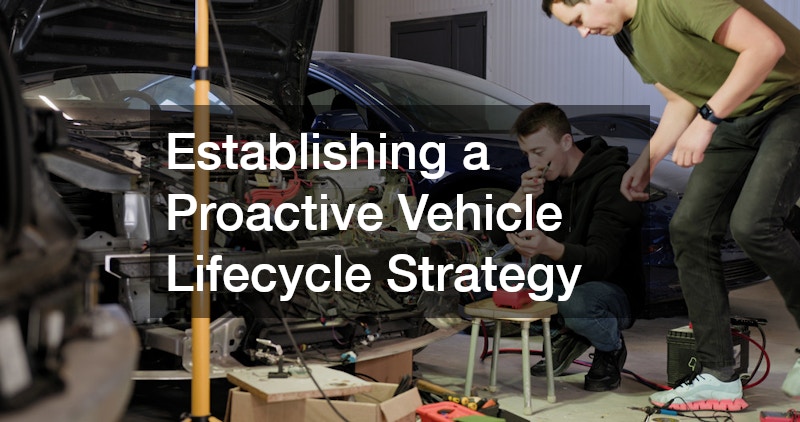
Shifting from Emergency Response to Asset Conservation
The ultimate goal of finding a premier local auto shop is to completely break the cycle of emergency-driven automotive panic. Most drivers wait until smoke is pouring from the hood or a wheel is shaking violently before they scramble to find an open repair bay. This reactive behavior forces you into high-stress situations where you are highly likely to settle for suboptimal service, inflated towing fees, and extended vehicle downtime. By establishing a proactive relationship with a trusted shop during a period of mechanical stability, you can create a custom maintenance lifecycle tailored to your specific vehicle and driving patterns.
- Create a Maintenance Blueprint: Work with your service advisor to build a 12-month calendar of upcoming services based on your average monthly mileage.
- Consolidate Repair Visits: Group minor non-emergency repairs (like a broken trim piece or a weak trunk strut) together with your scheduled oil changes to minimize shop visits.
- Track Fleet Consistency: If your household manages multiple vehicles, standardizing their care at a single facility often unlocks multi-vehicle loyalty discounts and streamlined scheduling.
When you finally locate a shop that values clear documentation, respects your safety through precise engineering, and stands firmly behind its craftsmanship with a rock-solid warranty, hold onto them. Bring them your vehicle for routine, non-emergency service before a crisis strikes, and treat their professional expertise with the respect it commands. In return, you will enjoy a vehicle that consistently operates at peak performance, maintains its financial equity, and keeps your family safe across every mile of the road ahead.