Finding a dependable automotive technician before an unexpected mechanical emergency strikes is one of the single most effective ways to preserve your vehicle’s long-term resale value, daily fuel efficiency, and overall safety on the road. Modern vehicles are no longer simple mechanical machines; they are highly intricate, interconnected networks of specialized computers, high-pressure hydraulic systems, and sensitive electronic sensors. When an engine check light flashes on your instrument cluster or an unfamiliar grinding sound echoes from under your floorboards, handing your keys over to a skilled professional provides immediate peace of mind and keeps your daily routine running smoothly.
However, navigating the crowded automotive service landscape can feel daunting for many drivers. With thousands of independent garages, national service chains, specialized tire centers, and dealership service bays competing for your business, selecting a facility that consistently delivers quality workmanship, honest communication, and fair pricing requires careful consideration. Knowing how to evaluate a repair facility’s technical qualifications, diagnostic standards, customer communication, and warranty offerings empowers you to make a confident choice that protects both your family and your wallet over the lifetime of your car.
1. Credentials, Certifications, and Industry Standards

The foundation of any top-tier mechanical garage rests on its technical credentials and commitment to ongoing professional education. While state licensing requirements can vary widely depending on where you live, voluntary industry-standard certifications serve as clear, verifiable proof that a service facility invests heavily in its workforce and strictly adheres to high mechanical standards. Automotive technology evolves every model year, making continuous training essential for anyone lifting a wrench.
When evaluating potential service centers in your area, prioritize facilities that employ technicians certified by the National Institute for Automotive Service Excellence (ASE). ASE certification is not simply handed out; mechanics must pass rigorous, comprehensive examinations and prove at least two years of full-time, hands-on repair experience before earning their credentials. Furthermore, technicians must retest every five years to keep their certification active, ensuring they stay up to date on modern vehicle technology.
Key credentials, certifications, and professional affiliations to look for include:
- ASE Master Technicians: Specialists who have demonstrated advanced competency across all primary repair disciplines, including engine performance, electrical systems, heating and air conditioning, steering, and suspension.
- AAA Approved Auto Repair Designation: Facilities that have passed stringent, independent facility audits evaluating cleanliness, tool calibration, customer satisfaction scores, and fair pricing practices.
- Manufacturer-Specific Certifications: Factory-trained technicians who complete specialized training directly from specific vehicle brands, making them experts in proprietary brand systems.
- Automotive Service Association Membership: Garages that pledge to follow a strict code of ethics regarding transparent billing, honest customer consultations, and proper environmental fluid disposal.
Establishing a relationship with an established facility capable of handling everything from simple fluid checks to intricate mechanical overhauls is a smart move. Entrusting your vehicle to a dependable center for all your standard auto repair services ensures that your vehicle’s complete digital service history stays consolidated, making future troubleshooting significantly faster and simpler.
2. Advanced Diagnostic Capabilities and Specialization
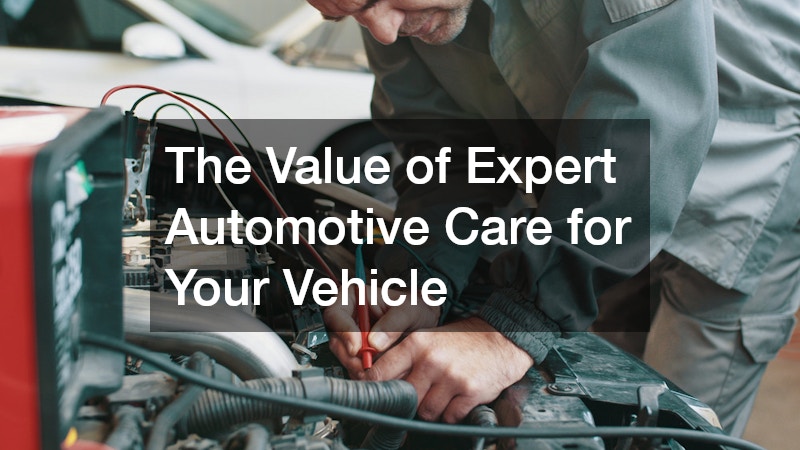
In today’s automotive environment, mechanical aptitude alone is no longer enough to resolve complex vehicle issues. Modern cars house anywhere from 20 to over 100 individual electronic control units (ECUs) managing everything from variable valve timing and electronic stability control to cabin comfort and emissions outputs. Consequently, a top-tier service bay must combine traditional mechanical expertise with sophisticated computer diagnostic equipment to pinpoint root causes accurately.
Before committing your vehicle to a specific facility, take time to ask about their diagnostic capabilities and laboratory-grade testing tools:
- Factory-Level Scan Tools: Generic code readers can retrieve basic diagnostic trouble codes, but OEM-grade scan tools allow technicians to run deep bidirectional system tests, reprogram modules, and clear manufacturer-specific codes.
- Digital Oscilloscopes and Pressure Transducers: Advanced electrical and fluid-pressure testing equipment enables technicians to analyze live electrical waveforms and fuel rail pressures, helping them diagnose intermittent glitches without guessing or unnecessarily replacing functional parts.
- Subscription to Technical Service Bulletins: Reputable garages subscribe to official databases containing factory updates, wiring diagrams, and known manufacturer fixes for specific vehicle years and models.
Complex mechanical systems—especially internal gear assemblies—demand specialized diagnostic equipment and deep technical familiarity. If your vehicle experiences slipping gears, harsh shifting, or fluid leaks under heavy acceleration, taking it to a facility equipped to diagnose transmission problems accurately will prevent misdiagnoses and save you from thousands of dollars in unnecessary part replacements.
3. Communication, Transparency, and Written Estimates

Clear communication is often what separates an average garage from an exceptional one. A trustworthy mechanic communicates openly, translating technical mechanical jargon into clear, accessible explanations so you understand exactly what your vehicle needs and why. Transparent service providers empower you to make informed decisions about your vehicle rather than pushing unnecessary upsells or rushing you into costly repairs.
Key indicators of transparent, customer-focused communication include:
- Detailed, Itemized Written Estimates: Comprehensive price breakdowns that separate costs into replacement parts, labor rates, shop supplies, taxes, and disposal fees before any work begins on your car.
- Digital Vehicle Inspection Reports: Modern shops send high-resolution photos and video clips straight to your smartphone, visually showing you worn brake pads, leaking shock absorbers, or cracked engine belts so you can see the issue yourself.
- Prioritized Maintenance Recommendations: Service advisors who clearly distinguish between urgent safety hazards that require immediate repair and minor wear items that can be safely deferred to your next routine oil change.
- Open Part Inspection Policies: Technicians who are completely willing to walk you into the service bay or show you the worn-out, replaced parts after your service is completed.
Finding a transparent, welcoming neighborhood car repair shop gives you a dedicated team of professionals who understand your driving habits and budget constraints, helping you maintain your vehicle without unexpected financial surprises.
4. Guarantees, Part Warranties, and Local Support
A service facility’s willingness to guarantee its labor and installed replacement parts reflects its confidence in its technicians’ workmanship. Never leave a repair facility without obtaining written warranty documentation that clearly outlines the exact timeframe and mileage limits of your coverage.
Standard warranty offerings across the automotive repair industry typically include:
- Standard Local Warranties: Coverage that protects both parts and labor for a minimum of 12 months or 12,000 miles, whichever comes first.
- Nationwide Network Warranties: Premium coverage extending to 24 or 36 months / 36,000 miles, backed by national repair networks so you are protected even while traveling or on family road trips.
- Quality Component Sourcing: The use of Original Equipment Manufacturer (OEM) parts or high-grade aftermarket components that meet or exceed factory specifications, ensuring proper fitment and durability.
Major drivetrain repairs—such as complete gearbox overhauls, clutch replacements, and differential rebuilds—require specialized technical skill and comprehensive warranty backing. Entrusting these critical components to a dedicated provider for local transmission repair gives you peace of mind, knowing that your vehicle’s drivetrain is protected by a solid local warranty and local customer service.
5. Routine Preventive Maintenance and Fleet Care
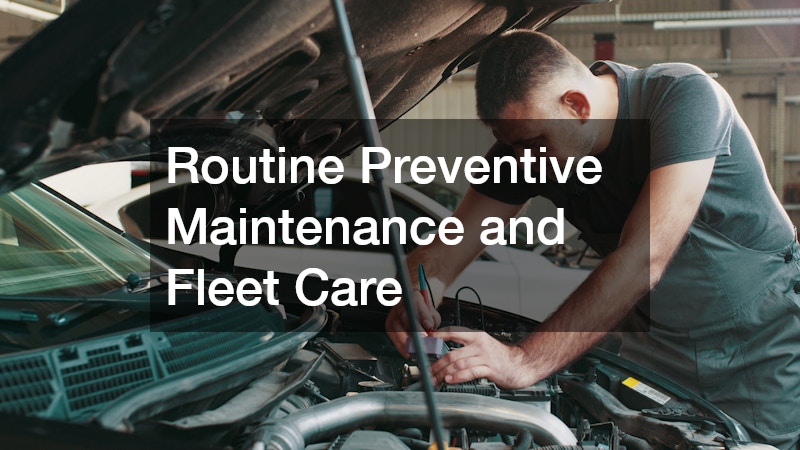
While major unexpected breakdowns get most of our attention, regular preventive maintenance is what truly keeps vehicles running safely for decades. Routine services—like oil changes, tire rotations, brake pad checks, and filter replacements—prevent small friction points from evolving into catastrophic mechanical failures.
To maximize your vehicle’s lifespan, ensure your chosen facility maintains a structured maintenance protocol:
- Engine Oil and Filter Changes: Regular oil changes protect internal piston rings, bearings, and valve trains from thermal breakdown and sludging.
- Tire Maintenance and Alignment: Periodic tire rotations and laser wheel alignments prevent uneven tread wear, protecting your fuel efficiency and steering stability.
- Fluid Exchanges: Routine flushes of transmission fluid, engine coolant, power steering fluid, and brake fluid prevent internal corrosion and system overheating.
Finding dependable, quick-turnaround providers for routine upkeep allows you to stay on top of your vehicle’s maintenance schedule without disrupting your busy workday. Building a relationship with reliable local oil change companies ensures that your engine’s vital fluids are continuously refreshed, allowing technicians to inspect your undercarriage for early signs of leaks or belt wear during every visit.
6. Commercial and Heavy-Duty Service Requirements
Heavy-duty commercial vehicles, vocational rigs, and semi-trucks operate under intense thermal stress and carry massive loads that standard consumer-grade auto repair bays simply cannot accommodate. When commercial transport equipment experiences mechanical issues, downtime translates directly into lost revenue, supply chain delays, and missed delivery deadlines.
Commercial vehicle service requires specialized infrastructure, including high-clearance bay doors, heavy-duty hydraulic lifts, pneumatic tools, and advanced diagnostic equipment tailored to heavy transport platforms:
- High-Pressure Turbocharger and Air Intake Systems: Commercial diesel engines rely heavily on forced-induction systems that require precise pressure testing to eliminate boost leaks.
- Pneumatic Air Brake Systems: Ensuring air compressors, dryer cartridges, and brake chambers pass strict Department of Transportation safety inspections.
- Heavy-Duty Drivetrain Care: Servicing commercial transmissions, tandem drive axles, and heavy drivelines subjected to high torque loads.
Managing commercial transport platforms requires a dedicated facility with the physical capacity and technical expertise to handle heavy equipment. Partnering with a specialized facility that focuses on semi truck repairs guarantees that your commercial assets are serviced by mechanics who understand heavy-duty DOT compliance rules and high-torque mechanical components.
Furthermore, diesel powertrains require specialized knowledge of high-pressure common rail fuel injection, exhaust gas recirculation, and diesel particulate filter regeneration cycles. Taking your commercial equipment to technicians who specialize in diesel engine repair prevents improper diagnostic procedures and ensures your heavy engine operates at peak thermal efficiency.
7. Heavy Equipment Alignment and Asset Acquisition
Commercial fleet management goes beyond engine repairs; maintaining proper chassis geometry and making smart capital investments in equipment are equally critical for long-term operational success.
Heavy commercial trucks travel tens of thousands of highway miles every year, making precision chassis alignments essential for fleet managers:
- Tire Wear Mitigation: Proper wheel alignment across steer and drive axles stops uneven tire wear patterns, saving commercial operations thousands of dollars in premature tire replacements.
- Fuel Economy Optimization: Misaligned axles create rolling drag, forcing engines to consume significantly more fuel over long highway routes.
- Driver Safety and Fatigue Reduction: Correcting chassis alignment eliminates steering pull and vibration, reducing driver fatigue and enhancing overall highway safety.
Scheduling routine chassis checkups with specialists in local truck alignment repairs keeps heavy vehicles tracking straight, protecting your tire investments and lowering daily fuel consumption across your fleet.
When expanding an existing operation or replacing aging transport assets, finding dependable vehicles is just as important as maintaining them. Working with established commercial dealerships that specialize in semi truck sales provides access to thoroughly inspected, pre-owned commercial rigs with documented service histories, helping you grow your fleet with total confidence.
8. Emergency Roadside Support and Towing Logistics

Even with diligent preventive maintenance and routine inspections, unexpected mechanical emergencies—such as sudden alternator failures, high-speed tire blowouts, or severe cooling system leaks—can leave you stranded on the side of a busy highway. Experiencing a breakdown far from home is stressful, but having a pre-established plan for emergency roadside recovery and vehicle transport eliminates panic and protects your personal safety.
Key factors to evaluate when selecting a vehicle recovery and transport provider include:
- Flatbed Transport Capabilities: Modern all-wheel-drive vehicles, electric cars, and low-clearance sports cars require flatbed recovery rather than traditional hook-and-chain equipment to protect delicate center differentials, transfer cases, and bumper fascias from costly underside damage during transit.
- 24/7 Rapid Response Dispatch: Dependable recovery providers maintain around-the-clock dispatch teams equipped with real-time GPS tracking so you receive accurate arrival estimates and are not left waiting on dangerous highway shoulders for extended periods.
- Direct Facility Coordination: Recovery services that communicate directly with your preferred mechanical repair bay streamline vehicle drop-off, check-in, and key handoffs, allowing technicians to begin diagnostic testing as soon as the vehicle arrives on site.
When an unexpected failure leaves you stranded on the roadside, contacting a trusted provider for towing services guarantees that your vehicle is safely transported to your chosen repair bay without risking secondary damage to your chassis, alignment, or bodywork.
Choosing a reliable car repair shop is one of the smartest investments you can make for your vehicle’s safety, longevity, and performance. By prioritizing certified technicians, clear communication, modern diagnostic equipment, and transparent pricing, you can establish a long-term partnership with a facility you trust. Whether you need routine oil changes, complex engine diagnostics, or emergency roadside assistance, taking the time to vet your repair team in advance ensures your vehicle stays running smoothly for miles to come.