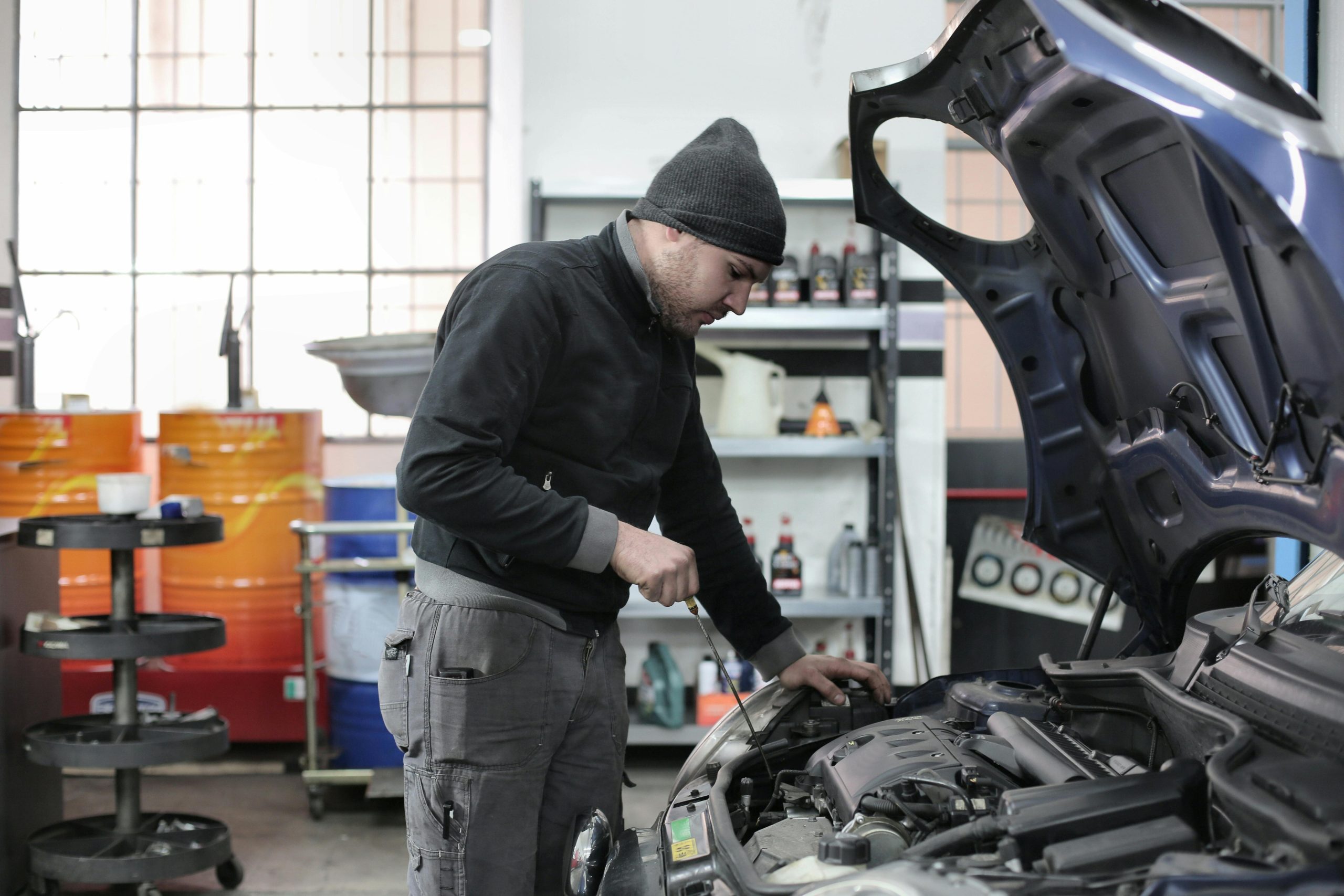
That faint ticking, grinding, or rattling sound coming from your engine bay is not a quirk of your car’s personality. It is a message, and ignoring it rarely makes it go away on its own. Many drivers put off a diagnosis because they are busy, hopeful, or worried about the bill, but small mechanical issues almost always grow into bigger and more expensive ones. This article breaks down exactly what happens when you delay, and what it actually costs you in money, safety, and time.
Identifying Common Engine Noises and What They Mean

Not all engine noises are created equal, and learning to tell them apart can save you thousands of dollars down the road. A high-pitched squeal often points to a worn serpentine belt or a failing accessory pulley, while a deep knocking sound usually signals a problem with rod bearings or piston slap. Ticking noises are frequently linked to low oil pressure or worn valvetrain components, and these are especially important to catch early since they can escalate quickly.
Rattling sounds under the car, particularly around the front or middle section, are sometimes mistaken for engine trouble when they actually originate from the exhaust system. A loose heat shield or a deteriorating pipe hanger can create a metallic rattle that mimics an internal engine issue. This is one reason a proper diagnosis matters more than guessing based on sound alone.
- Squealing on startup usually means belt or pulley wear
- Knocking under acceleration often points to bearing damage
- Ticking at idle can indicate low oil pressure or lifter issues
- Rattling near the floorboard may be an exhaust or heat shield problem
- Grinding noises while driving can suggest transmission or wheel bearing trouble
How Small Engine Problems Turn Into Expensive Repairs
A minor issue left unaddressed rarely stays minor. A small oil leak, for example, can gradually starve critical engine components of lubrication, leading to accelerated wear on bearings, camshafts, and cylinder walls. What might have been a simple gasket replacement costing $150 to $400 can turn into a full engine rebuild costing $3,000 to $7,000 if the noise is ignored for months.
The same pattern shows up with other common noises. A faint ticking sound often points to low oil pressure or a failing lifter, both cheap fixes early on, but capable of destroying a camshaft if the engine keeps running low on lubrication. A subtle belt squeal can signal a worn tensioner that, left alone, snaps the belt entirely and takes out the water pump or timing components with it.
Timing is everything with these repairs. Catching a problem while it’s still just a noise usually means replacing a single part; waiting until the noise becomes a knock, grind, or stall often means replacing an entire system. Even a delay of a few weeks under regular driving conditions can be the difference between a $200 part swap and a $5,000 repair bill.
The financial math is straightforward once you see it laid out. A $150 diagnostic visit and a $400 part replacement are a much smaller hit than a $4,000 engine repair caused by continued driving on a damaged component. That gap only widens the longer the noise is ignored, because most engine problems don’t stay contained to a single part.
A worn serpentine belt, for example, might cost $75 to replace on its own. Ignore the squeal long enough, though, and it can snap and take out the water pump or alternator with it, turning a minor fix into a $1,200 repair bill. The same pattern applies to low oil pressure, a failing timing chain, or a leaking gasket — small, cheap problems that compound into major ones.
Waiting does not pause the damage; it usually accelerates it, especially if the noise is related to heat, friction, or fluid loss. Metal-on-metal contact from low lubrication wears down surfaces every mile you drive, and overheating can warp components that were previously fine. In many cases, the difference between a repair and a full replacement comes down to how many extra weeks the car stayed on the road after the noise started.
Recognizing When the Exhaust System Needs Attention
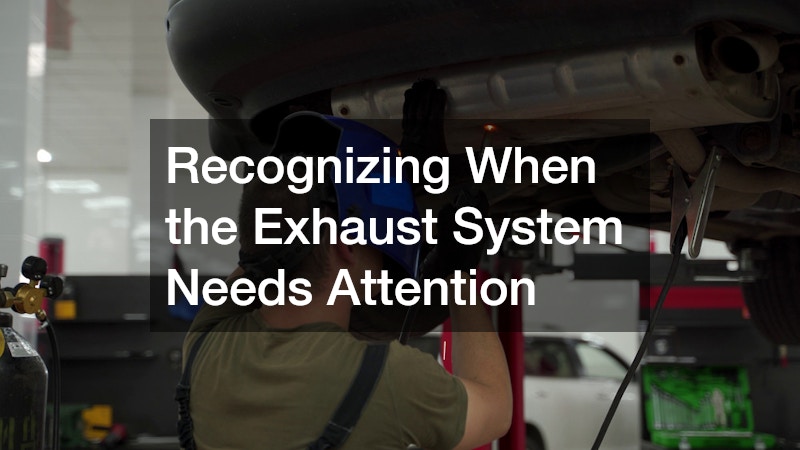
Exhaust-related noises are among the most commonly ignored because they do not always affect how the car drives, at least not immediately. The engine still starts, the car still accelerates, and nothing on the dashboard necessarily lights up, so it becomes easy to convince yourself the sound is just cosmetic.
A rumbling or roaring sound from underneath the vehicle often means a hole has developed in the muffler or a pipe has rusted through, especially in regions where road salt is common in winter. A rattling noise, on the other hand, may point to a loose heat shield or a failing catalytic converter, both of which can worsen quickly if ignored.
Left unaddressed, this can allow exhaust fumes, including carbon monoxide, to seep into places they should not, which is a genuine safety concern for passengers. Carbon monoxide is odorless and colorless, meaning occupants often have no warning before symptoms like dizziness or headaches set in, particularly during long drives with the windows closed.
There is also a financial angle worth considering: a small exhaust leak that costs under $150 to patch can, if left alone, spread to the manifold or converter and turn into a repair costing well over $1,000. Getting the car checked as soon as the noise appears is almost always the cheaper and safer path.
A rattling or rumbling noise from underneath the car is often the first clue that the exhaust system needs a closer look. Professional exhaust services typically start with a full inspection of the pipes, catalytic converter, muffler, and connecting hangers and gaskets to pinpoint exactly where sound and gases are escaping. Technicians often use a smoke test or simply run the engine while checking for hissing sounds and visible exhaust leaks at the seams and joints.
In many cases, muffler repair alone resolves the noise complaint without requiring a full system replacement, but only if the surrounding components have not also corroded. A muffler with a small hole or loose baffle can usually be patched or swapped out in under an hour, often for well under $200, depending on the vehicle. Once rust reaches the connecting pipes or the flanges that link sections together, though, the job quickly grows into a more involved and expensive repair.
Catching this early keeps the repair contained and affordable rather than letting rust spread further down the line. Drivers in colder climates, where road salt accelerates corrosion, should pay especially close attention to any new noise or vibration, since exhaust components in these regions tend to fail years sooner than in drier areas. A quick visual check for flaking rust or dark soot stains near the joints can help catch a problem before it turns into a full system replacement.
Understanding the Role of a Diesel Specialist for Unusual Sounds
Diesel engines produce a different acoustic profile than gasoline engines, which means owners sometimes struggle to know what is normal versus what is a warning sign. A knocking or clattering noise that seems louder than usual could point to injector timing issues, fuel delivery problems, or turbocharger wear. Because diesel systems operate under higher compression and different tolerances, a general mechanic may not always catch subtle irregularities that a specialist would recognize immediately.
Bringing your vehicle to a diesel mechanic when you notice a change in engine sound can prevent a costly failure of the fuel injection system or turbo assembly. These specialists are trained to distinguish between normal combustion knock and the kind of noise that indicates a developing mechanical fault. Given how expensive diesel engine components can be to replace, an early diagnosis is one of the more financially sound decisions a diesel owner can make.
Protecting Your Vehicle Body While Addressing Mechanical Issues

While engine noises get most of the attention, delaying repairs can sometimes lead to secondary damage that affects the exterior of your car. Fluid leaks, for instance, can drip onto paint and trim, causing discoloration or corrosion if not cleaned up and addressed quickly. In more serious cases, an overheating engine or failed component can even cause minor fires or scorching under the hood, which then requires auto body repair to restore the affected panels.
Rust is another factor that connects mechanical neglect to bodywork. Once corrosion sets in around the undercarriage, it does not stay confined to one area, and it can spread toward the frame and body panels over time. Shops that offer automotive sandblasting can strip away rust and old coatings before they compromise structural areas, but this is a far more involved process than the simple maintenance that could have prevented it in the first place.
Weighing the Safety Risks of Postponing a Diagnosis
Beyond the financial cost, there is a genuine safety dimension to ignoring strange engine sounds. A belt that squeals today could snap on the highway next week, potentially cutting power steering or charging capacity while you are driving at speed. Grinding noises tied to failing wheel bearings or worn brake components are particularly concerning since they directly affect your ability to stop or maintain control of the vehicle.
It is worth noting that brake repair is one of the most time-sensitive services when a related noise appears, since brake failure has immediate and serious consequences. A grinding or squealing sound when braking should never be treated as a minor annoyance to schedule around. Addressing it promptly is one of the clearest examples of how a small, affordable fix now prevents a dangerous and expensive situation later.
Avoiding Unexpected Downtime and Being Stranded

One of the less obvious costs of delaying a repair is the risk of being stranded somewhere inconvenient, whether that is a parking lot, a highway shoulder, or your own driveway with a car that will not start. A worsening engine problem often reaches a tipping point where the vehicle simply stops running, and this rarely happens at a convenient time. This is especially frustrating for owners who have invested in extras like vehicle wraps or other custom upgrades, since a breakdown can mean towing and repair delays for a car they have gone out of their way to maintain and personalize. Planning ahead for this possibility is part of being a responsible vehicle owner, even if you are actively working on getting the underlying issue fixed.
If you do find yourself locked out or dealing with an ignition problem while trying to get to a repair shop, a 24-hour mobile locksmith service provider can be a practical resource to keep in mind. These services are especially useful for older vehicles, where ignition cylinders can wear out around the same time other mechanical issues start to appear. Keeping a plan for these scenarios reduces the stress that comes with unpredictable breakdowns.
Considering How Aftermarket Additions Interact With Mechanical Health
Many drivers invest in upgrades or customizations that make their car more comfortable, distinctive, or enjoyable to drive, and it is worth understanding how these interact with ongoing mechanical issues. A car audio installer, for example, will often recommend addressing any electrical or alternator-related noises before adding a new sound system, since amplifiers and subwoofers place additional demand on the charging system. Skipping this step can mean a new audio setup draining a battery that was already struggling.
Similarly, cosmetic investments like car tinting are best done once you know your car is mechanically sound, since repeated trips to a mechanic for engine access can sometimes risk chipping paint or leaving fingerprints and residue near freshly applied window film during service. Sequencing these decisions sensibly protects your investment in both the appearance and performance of your vehicle. Getting the mechanical noise resolved first simply makes every other upgrade easier to plan around.
Strange engine noises are rarely random, and in almost every case, they are cheaper to fix the moment you notice them than after months of driving on borrowed time. Whether the sound points to a worn belt, a failing bearing, or a hole in your exhaust, a prompt inspection protects your wallet, your safety, and the other investments you have made in your vehicle. Do not wait for the noise to get louder or the warning light to turn on before taking action. Schedule a diagnostic appointment as soon as something sounds off, and treat that small inconvenience as far preferable to the alternative.